
How to get the natural look with injectables
What a natural result with injectables looks like, and how we get there.
Read

How neuromodulators work to smooth lines and wrinkles.
Published January 26, 2016

Neuromodulators are everywhere in the media: in newspapers, tabloids and movies. But apart from the final result, notably smoother-looking skin, how much do you actually know about this revolutionary procedure?
To get very scientific for a minute, this neuromodulator is a drug made from a neurotoxin called botulinum toxin, which is produced by Clostridium botulinum.
The bacterium is found in places as varied as forests, cultivated soils and the intestinal tracts of mammals (crazy, right?). It is only harmful when the spores turn into vegetative cells and begin to produce botulinum toxin on their own. Botulism is the result.
In extremely small doses, this neuromodulator prevents signals from nerve cells reaching the muscles, ultimately paralyzing them.
The powder is diluted with a saltwater mixture and injected directly into neuromuscular tissue. After the injection, the patient waits upwards of three to five days for the paralyzing process, known as the synaptosomal process, to take place. As the muscles become less stiff from fewer contractions, fewer wrinkles and fine lines result. The procedure gives better results for people who have finer lines to begin with. Deeper creases might not be fully corrected, because of some of the permanent effects of aging.

This neuromodulator can be personalized to the needs of the individual. Dermatologists can control both the amount injected and the location being treated. As a cosmetic procedure, one person might want a more dramatic result while another might want softer features.
The list of benefits is quite extensive, including correcting facial asymmetry, relaxing the forehead and lifting the eyebrows. The effects can last up to four months; it is not a permanent solution for wrinkles and fine lines.
Sometimes patients develop facial muscle memory: because of the paralysis, they use the muscles that originally caused the creases less and less. If this doesn’t happen and treatments are not repeated, the skin reverts to how it was before treatment.
It might seem counter-intuitive to inject this substance into our bodies, knowing the potential dangers. However, this neuromodulator is a therapeutic protein when dosage and frequency are considered, and dermatologists and plastic surgeons are trained to inject it. As with many invasive procedures, neuromodulator treatment is not advised for women who are pregnant or breastfeeding, or for people with specific neurological conditions.
I’ll end on a bit of a factoid. Years ago, I saw this neuromodulator only as a way to get rid of wrinkles as stress and age set in. Unbeknownst to me, there were several other uses! They include treating migraines, overactive bladder and eyelid spasms.
There is also a misconception that this neuromodulator should be reserved for people in their 50s and 60s.
Rather than a proactive medical procedure, I saw neuromodulator treatment as a reversal process, which is somewhat false.
People who begin neuromodulator treatment in their 30s or 40s can benefit, as the preventive effect maintains a youthful appearance into the later decades.
Learn more about facial anatomy and neuromodulator treatment.
What a natural result with injectables looks like, and how we get there.

What causes laugh and marionette lines, and how fillers can soften them.
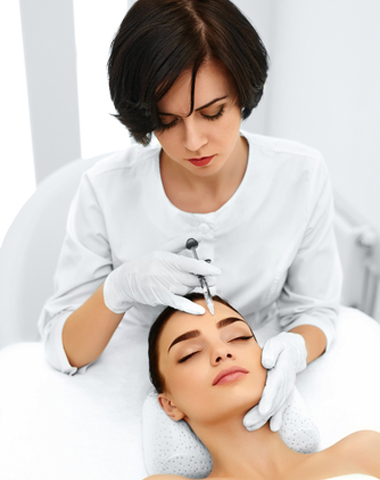
Answers to the questions we hear most about dermal fillers.
Cosmetic consultations need no referral. For medical dermatology, ask your doctor to send us a referral and we will call you to book.
We reply within one business day. Please don't include health details. For a medical concern, ask your doctor for a referral.