Acne
Explore →

Facial dryness and an itchy, flaky scalp that can mimic psoriasis or eczema.
A referral from your doctor or nurse practitioner is required.
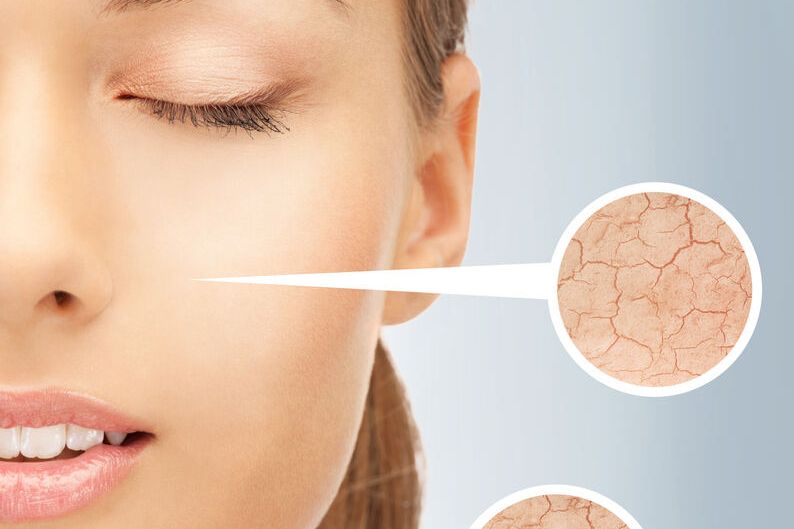
Seborrheic dermatitis is a skin condition that most often causes facial dryness and an itchy scalp, and it affects millions of children and adults in Canada.
It can be tricky to recognize or diagnose, because the skin reactions it triggers mimic those of similar conditions such as psoriasis, other forms of eczema or even allergic reactions.
Seborrheic dermatitis is a chronic, recurrent, inflammatory skin condition characterized by erythema (redness) and skin flaking. It is a form of eczema and is also known as seborrheic eczema.
It usually causes itching, dry or oily skin and other common changes in skin texture, such as scalp dandruff. Contrary to what many people assume, seborrheic dermatitis is not contagious.
When an adolescent or adult has seborrheic dermatitis, symptoms can come and go for the rest of their life, and very few cases clear up without treatment. Flare-ups come without warning and are often triggered by cold, dry weather or periods of stress.
The parts of the body most likely to develop itchiness and other symptoms include:
Doctors don’t know the exact cause of seborrheic dermatitis. Many factors seem to work together to cause this inflammatory skin condition, including genes, yeast that is normally present on our skin, living in a cold, dry climate, stress and a person’s overall health.
Seborrheic dermatitis is not contagious. It is not caused by poor hygiene, and it is not an allergic reaction. Although the condition can be uncomfortable and even embarrassing, it is not harmful to your health.
Psoriasis and seborrheic dermatitis can look similar, and some people have both. Both can affect the scalp, which is why they are often confused, but the two disorders have some key differences.
One of the major differences between seborrheic dermatitis and scalp psoriasis is their appearance. Scalp psoriasis looks powdery with a silvery sheen, whereas seborrheic dermatitis is more likely to look yellow and greasy.
There is no cure for seborrheic dermatitis, but the right treatment can ease symptoms and make flare-ups more manageable. The best treatment for each patient varies with their age and where symptoms occur most often.
After examining your skin and discussing your symptoms, your health history and any family history of seborrheic dermatitis, Dr. Rao will determine the right course of treatment. Our team is committed to working with you to develop a synergistic approach for enhancing your skin’s health, and Dr. Rao has extensive experience and expertise in skin care treatments in Edmonton.
Referral required. Seborrheic dermatitis is a medical skin condition, so you need a referral to see Dr. Rao. Ask your family doctor or nurse practitioner to send one. How referrals work
If you live far from Edmonton or are too unwell to travel, your doctor may be able to have a dermatologist assess you remotely. About teledermatology
Referral required. Ask your family doctor or nurse practitioner to send us a referral. Already referred? Call 780-437-7189 to book.
We reply within one business day. Please don't include health details. For a medical concern, ask your doctor for a referral.