Acne
Explore →

Itchy, inflamed skin, assessed and treated by a dermatologist.
A referral from your doctor or nurse practitioner is required.
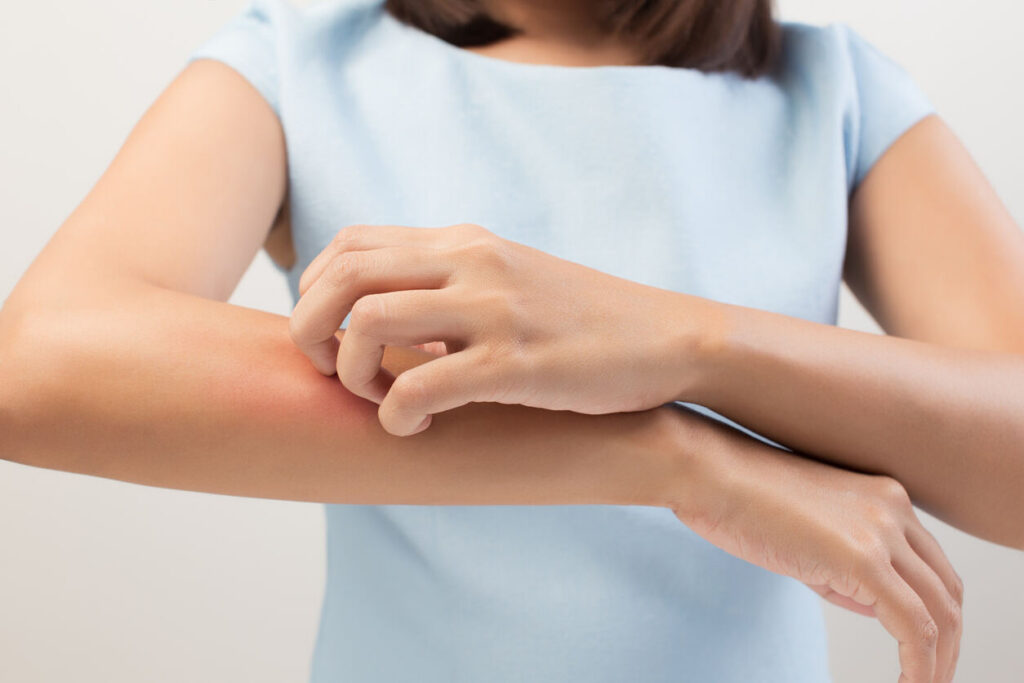
The terms “eczema” and “dermatitis” describe a group of skin conditions characterized by inflamed skin. Eczema can be red, blistering, oozing, scaly, brownish or thickened, and it usually itches.
Eczema, or atopic dermatitis, is an inflammatory skin condition in which the skin thickens and roughens. It is typically itchy, sometimes extremely so, creating a scratch-itch cycle that perpetuates the skin lesions.
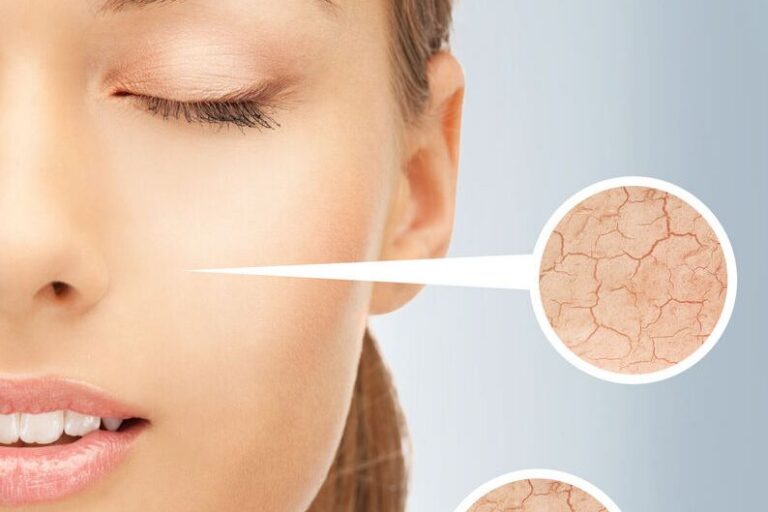
Eczema shows up most often on the face, hands, feet, wrists and the backs of the knees, though it can appear in other areas. The affected skin often appears dry, thick and even scaly.
The most common symptom is intense itchiness. Occasionally the skin will start itching even before the rash surfaces.
It’s still not known exactly what causes eczema. The most common type of eczema, atopic dermatitis, resembles an allergy. But the skin irritation, which is seen more often in children than in adults, is not an allergic reaction.
It is currently believed that eczema is caused by a combination of factors that include:
In eczema, the immune system is “overreactive” and hastens the production of new skin, creating the patchy, thickened appearance characteristic of eczema.
Certain food or environmental allergens may trigger a hyperreactive response from the immune system, which then presents on the skin. It is important to determine if, and to what degree, these triggers are contributing to your eczema.
Some people have “flare-ups” of the itchy rash in response to certain substances or conditions. For some, contact with rough or coarse materials may cause the skin to become itchy. For others, feeling too hot or too cold, exposure to certain household products like soap or detergent, or contact with animal dander may cause an outbreak. Upper respiratory infections or colds may also be triggers, and stress may cause the condition to worsen.
There are several different types of eczema, and some patients have more than one type at a time. Here are the main types, with a description of their characteristics.
Atopic dermatitis is the most common form of eczema. It is chronic and inflammatory. Atopic dermatitis is related to asthma and hay fever, but it is not an allergy. Still, the immune system overreacting to irritants, whether inside or outside the body, is behind the chronic flare-ups. The symptoms described above are those of atopic dermatitis.
When a person with contact dermatitis touches irritating substances or allergens, their skin becomes inflamed, causing it to burn, itch and become red. Irritant contact dermatitis and allergic contact dermatitis are the most common forms.
This form of eczema produces small, itchy blisters on the edges of the fingers, toes, palms and soles of the feet. Twice as prevalent in women as in men, dyshidrotic eczema may be triggered by stress, allergies, moist hands and feet, or exposure to nickel in jewellery, cobalt in metal objects and some paints, or chromium salts in cement, leather, paint and other products.
This form of eczema starts with an itchy patch of skin in a commonly scratched area. Scratching makes the area more irritated and itchy, and this itch-scratch cycle causes the affected skin to become thick and leathery. Neurodermatitis occurs in areas that can be reached and scratched: the head, neck, wrists, forearms, ankles, vulva, scrotum and anus. Treatment success depends on the patient being able to resist the urge to rub or scratch the affected areas, which can be difficult because the itching can be intense.
This form of eczema looks quite different from the more common forms. Patients with nummular dermatitis develop coin-shaped spots on their skin. These spots can be very itchy and difficult to treat. It is thought that nummular dermatitis can be triggered by insect bites, reactions to skin inflammation, or dry skin in the winter.
Another chronic form of eczema, seborrheic dermatitis appears on areas of the body with many oil-producing sebaceous glands, such as the upper back, scalp and nose. It is common in infants, where it is known colloquially as “cradle cap.” In adults, it also commonly appears on the scalp. Symptoms may range from dry flakes (dandruff) to yellow, greasy scales with reddened skin. It’s thought that hormones play a role in this form of eczema.
Also known as venous eczema, this occurs when the patient has a problem with blood flow in the veins and pressure develops. This pressure can cause fluid to leak out of the veins and into the skin, resulting in stasis dermatitis. It usually occurs in the lower legs. Symptoms include swelling around the ankles, redness, scaling, itching and pain.
After checking your skin and discussing your symptoms, your health history and your family history of eczema or allergies, Dr. Rao will be able to tell if it’s eczema. From there, treatment options may depend on the severity of your inflammation and the type of eczema you have.
Referral required. Eczema is a medical skin condition, so you’ll need a referral from your doctor or nurse practitioner to see Dr. Rao. How referrals work
Live far from Edmonton? Your doctor or nurse practitioner may be able to have a dermatologist assess you remotely. About teledermatology
Referral required. Ask your family doctor or nurse practitioner to send us a referral. Already referred? Call 780-437-7189 to book.
We reply within one business day. Please don't include health details. For a medical concern, ask your doctor for a referral.