Acne
Explore →

Scaling, itching and cracking skin, from winter air, harsh soaps or a medical cause.
A referral from your doctor or nurse practitioner is required.
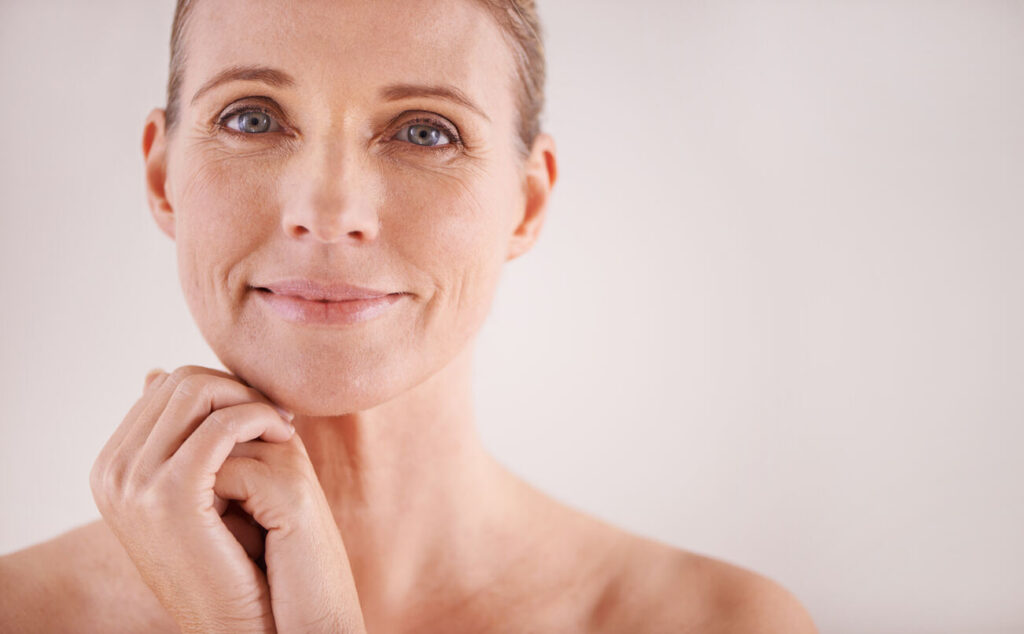
Dry skin occurs when the skin doesn’t retain enough moisture. It can result from frequent bathing, harsh soaps, aging or certain medical conditions, and in colder climates like Edmonton, from cold, dry winter air.
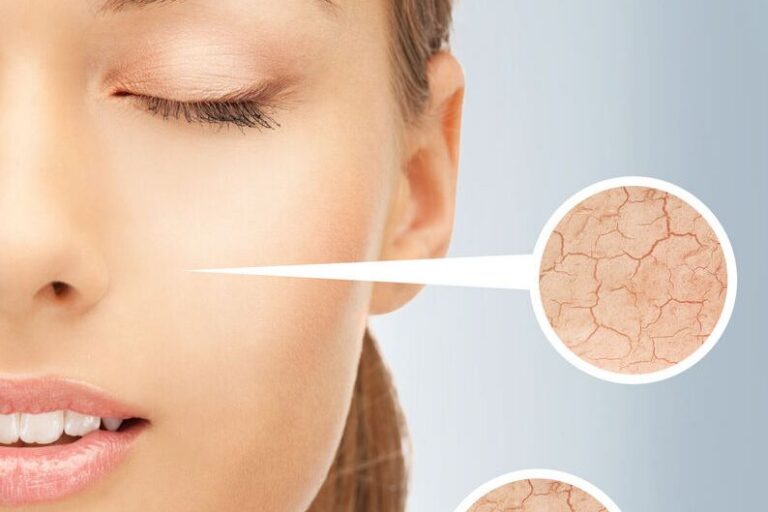
Dry skin is an uncomfortable condition marked by scaling, itching and cracking. You might have naturally dry skin, but even if your skin tends to be oily, you can develop dry skin from time to time.
Dry skin is a very common condition in which the most superficial layer of the skin, the epidermis, lacks the right amount of water. Dry skin can be itchy, and it may look flaky and bumpy or have red patches. Dehydrated skin lacks water and appears dull or rough.
Dry skin affects males and females equally, but older people are much more prone to it. Their skin tends to have smaller amounts of natural oils and lubricants, and many older people have dry skin on their lower legs, elbows and forearms that feels rough and scaly and is often accompanied by intense, distressing itching.
About 85% of older people develop winter itch because overheated indoor air is dry. Winter itch is the common name for generalized itching in the winter. It is primarily caused by dry skin and is most common in the elderly.
There is no single cause of dry skin. Causes are classified as either external or internal.
External factors include cold temperatures and low humidity: skin becomes drier in winter than in summer, and drier in low-humidity environments. For example, cold, dry air heated by a furnace dries the skin by evaporating its moisture. External factors that cause dry skin include:
Internal factors include overall health, age, genetics, family history and a personal history of certain skin diseases, such as eczema and psoriasis.
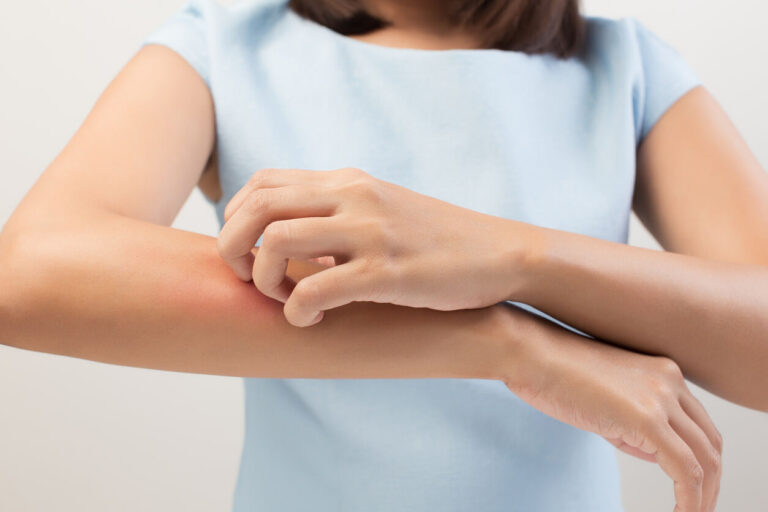
The main symptom of dry skin is itching. People with dry skin often find rough, dry, red patches on their skin, and these patches are often itchy. The itching itself may make the dryness worse.
Typical areas include the arms, hands, lower legs, abdomen and areas of friction such as the ankles and soles. As dryness becomes more severe, cracks and fissures may develop. Signs and symptoms include:
We carry a range of medical-grade SkinCeuticals skin care products that help rejuvenate dull, dry skin. They are specially formulated to strengthen the skin’s natural moisture barrier and protect it against environmental stressors.
We also recommend a full skin assessment. Rao Dermatology provides exceptional medical, aesthetic and surgical dermatology care, and our team is committed to working with you on a synergistic approach to enhancing your skin’s health.
Referral required. Medical appointments with Dr. Rao need a referral from your doctor or nurse practitioner. How referrals work. Your doctor may also be able to refer you for a teledermatology assessment.
Referral required. Ask your family doctor or nurse practitioner to send us a referral. Already referred? Call 780-437-7189 to book.
We reply within one business day. Please don't include health details. For a medical concern, ask your doctor for a referral.