
How to treat marionette lines
What causes laugh and marionette lines, and how fillers can soften them.
Read

What age spots are, how they differ from other spots, and how they are treated.
Published November 10, 2017
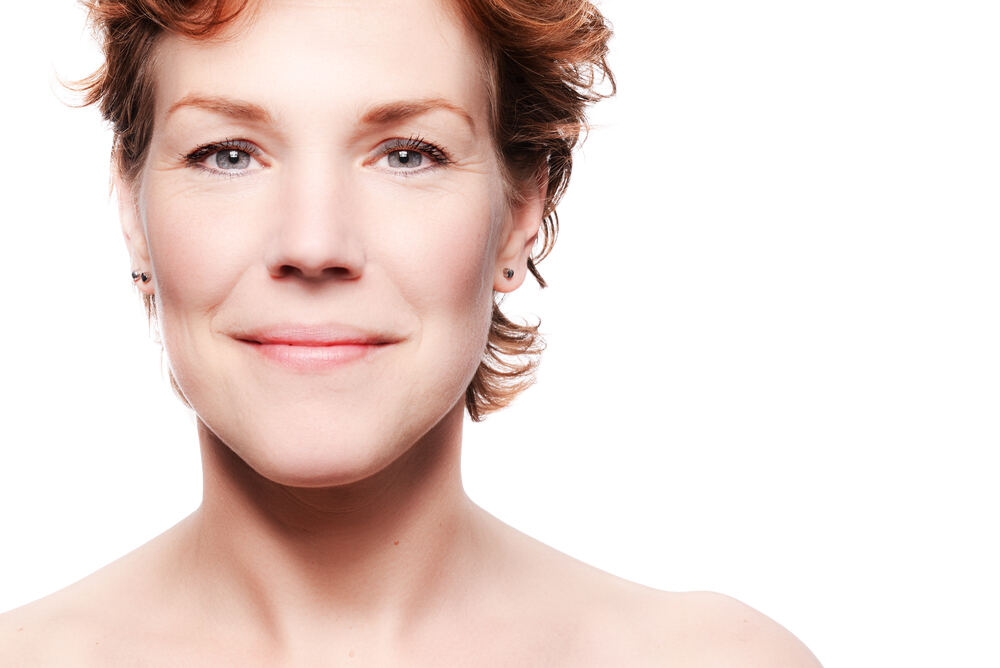
Age spots – the flat spots of brown, grey or black that show up on your skin, typically as you age – go by many names: age spots, sun spots, solar lentigo (“lentil-shaped spots”), senile freckles, lentigo senilis (the clinical, Latin term) and liver spots. But despite the names, age spots are age spots (not to be confused with melasma).
We know finding weird spots on your skin can be scary – especially when you don’t know what they are – but age spots are typically harmless. Very similar to freckles (hence the names senile freckles and lentigo senilis), age spots are flat: they don’t have a texture because they’re just a discolouration, and they don’t hurt. Usually oval-shaped, they tend to cluster together on your hands, face, shoulders, arms, upper chest and back – all the places that get the most sun (or UV exposure, like in a tanning bed).
Age spots are not skin cancer, but they can look similar, so if you’ve got a new and unusually shaped spot on your skin, get checked out by a dermatologist.
Both the names age spots and liver spots are misnomers – neither your age nor your liver causes these spots. While they tend to come with age, they’re not caused by age; they’re caused by repeated sun exposure. That’s right: the older you get, the more you’ve been exposed to the sun, which is why they’re called age spots (it’s correlation, not causation).
UV exposure amps up melanin production, and age spots are the accumulation of melanin concentrated in the skin – basically an excess of skin pigment. Anyone can get age spots, but they occur more often in people over 40, people with pale skin and people with a history of UV exposure (the sun or tanning beds).
Total prevention is virtually impossible, but you can reduce your risk of getting age spots by wearing sunscreen daily with UVA and UVB protection and a minimum of SPF 15 (even in winter), staying out of the sun during the strongest hours (10 am to 3 pm), wearing sun-safe clothing, and allowing sunscreen at least 30 minutes to absorb before heading outside or into a pool.
Treating age spots is 100% a personal choice, though many people seek treatment so they can feel good about themselves – no one likes having brown spots, especially on their face. Treatment can boost your self-esteem, improve the health of your skin and make you less self-conscious. Generally, most people feel treatment is worth it.
At Rao Dermatology, we have a number of treatments that work well for age spots, but we customize our treatments to suit your specific skin needs rather than just one concern. Treatments we offer include chemical peels, microdermabrasion and laser facials. Depending on your goals, your skin and your budget, our team can create a treatment plan tailored specifically to you.
Contact us today to book your consultation.
What causes laugh and marionette lines, and how fillers can soften them.
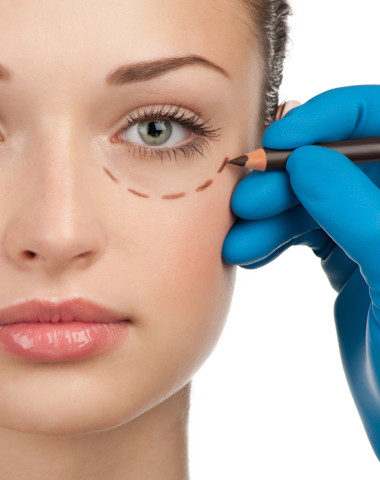
How eyelid surgery addresses heavy, puffy or sagging skin around the eyes.

How sun damage shows up on your skin, and the treatments that can help.
Cosmetic consultations need no referral. For medical dermatology, ask your doctor to send us a referral and we will call you to book.
We reply within one business day. Please don't include health details. For a medical concern, ask your doctor for a referral.