
How to treat marionette lines
What causes laugh and marionette lines, and how fillers can soften them.
Read

How eyelid surgery addresses heavy, puffy or sagging skin around the eyes.
Published June 11, 2018
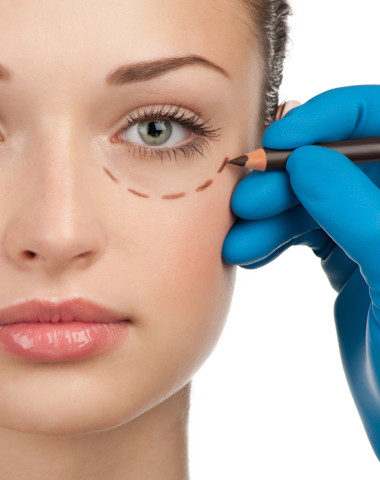
As we age, the skin above and below our eyes can change. It becomes loose, puffy or saggy, sometimes even interfering with vision and making the eyes look smaller and squinty. Fatty deposits become more prominent, crow’s feet deepen, permanent bags form beneath the eyes and the lower eyelids droop.
For people with hooded eyes or existing under-eye bags, aging exaggerates these features. These changes around your eyelids can make you look tired, worn out, overworked and unhappy, and lead people to say things like “Are you okay?” and “You look tired.”
But a blepharoplasty, or eyelid surgery, can dramatically reverse these signs of aging. You aren’t going to look like a completely different person, but you will look younger and more awake (and the comments about your tired appearance will definitely stop). Using laser technology, a blepharoplasty removes and tightens excess skin and reshapes the eyelid, smoothing out creases and hollows and opening the eyes for a more youthful, energetic appearance.
As with all surgical procedures, the best candidates are healthy non-smokers without medical conditions that can delay healing. Ideal candidates for eyelid surgery are over 35, with puffy or sagging upper eyelids, no serious eye conditions and realistic expectations.
At your consultation at Rao Dermatology, we’ll discuss your goals, medical conditions and history, lifestyle, and previous treatments and surgeries. We’ll take pictures of your face to point out and discuss options, and recommend the best course of treatment. Sometimes a brow lift, skin resurfacing or chemical peels can be paired with a blepharoplasty for the best results.
It’s completely normal to feel nervous, so come prepared to ask questions. The consultation is the best time to address your anxieties and your excitement, so we can tailor the procedure to your goals.
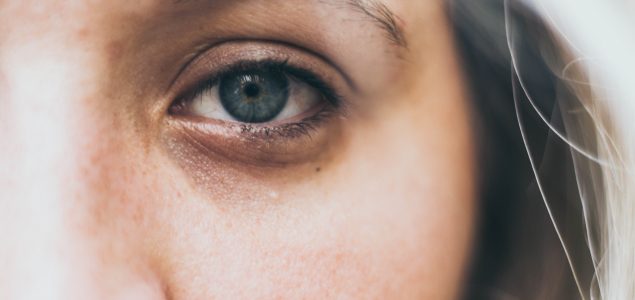
Eyelid surgery can be performed on the upper eyelids, the lower eyelids or both, and begins with anesthesia.
To conceal scarring, incisions on the upper eyelids follow your natural crease. This lets us remove or reposition fatty deposits, tighten muscles and remove saggy, excess skin. For the lower eyelids, the incision is made just below the lower lashes. For some people, a transconjunctival incision (inside the lower eyelid) may be used, but this type of incision can only remove fat, not excess skin. To close the incisions, we use either sutures or skin glue.
Recovery is typically quick. The day after surgery you can expect bruising and swelling, but it should disappear quickly. Cold compresses and light activity in the first 48 hours after surgery can minimize bruising and swelling and speed healing.
Bandages are typically removed in a couple of days, and stitches after a week. You’ll want to take a few days off work and avoid makeup and contact lenses for about two weeks so you can heal and recover. Expect to return to your normal activities 7 to 10 days after surgery.
A blepharoplasty won’t stop you from aging, but the results are long-lasting and roll back the years, sometimes leaving you looking 10 years younger.
Most people are thrilled with the subtle yet dramatic change to their appearance.
Think eyelid surgery might be for you? Book a consultation to find out.
What causes laugh and marionette lines, and how fillers can soften them.

How sun damage shows up on your skin, and the treatments that can help.
How non-surgical treatments can lift and refresh the face.
Cosmetic consultations need no referral. For medical dermatology, ask your doctor to send us a referral and we will call you to book.
We reply within one business day. Please don't include health details. For a medical concern, ask your doctor for a referral.