
How to get the natural look with injectables
What a natural result with injectables looks like, and how we get there.
Read

The facts about neuromodulator injections for lines and wrinkles.
Published June 12, 2017

Aging has a way of creeping up on us. It starts with faint smile creases, forehead lines or crinkles at the corners of your eyes.
Those wrinkles are the result of smiling, frowning, laughing and squinting over the years, though smoking, sun damage, dehydration and some medications can cause wrinkles as well.
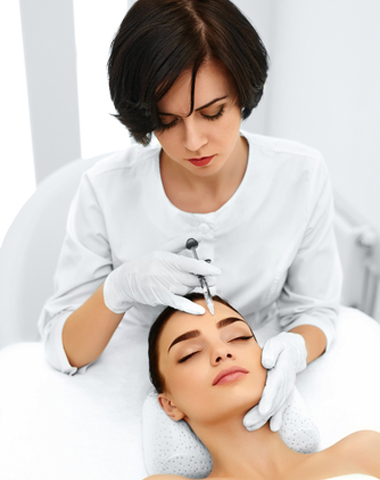
We can help smooth those lines out, for both men and women, by addressing the root of the problem: your facial muscles. By injecting a neuromodulator (botulinum toxin type A) beneath the surface of your skin, we can reduce the muscle contractions in your face, smoothing those creases and softening those lines to bring back your youthful skin.
While this neuromodulator is best known for cosmetic enhancement, it’s also an important therapy for non-cosmetic uses: pain disorders like chronic migraine, and medical conditions like hyperhidrosis (excessive sweating).
If you suffer from migraines, you know they are far worse than just a headache. An estimated 2.7 million Canadians suffer from migraine, a debilitating condition characterized by intense, pulsating head pain, nausea, vomiting and sensitivity to light, sound and smells.
While there is no cure for migraine, neuromodulator treatments with quarterly injections can prevent up to nine migraine days per month, vastly improving your quality of life.
While approximately 950,000 Canadians suffer from excessive sweating, few realize that it’s a treatable medical condition. Hyperhidrosis is an excessive sweating disorder that affects confidence, social comfort, emotional well-being and even clothing choices. People with hyperhidrosis can sweat intensely from more than just their underarms: they can also sweat profusely from their hands and feet, and from their head and face.
When other treatments aren’t working, neuromodulator injections can decrease sweating by 82 to 87% by blocking the chemical signals from the nerves that stimulate the sweat glands.
While this neuromodulator is very popular, you might not know how it works, how it’s used or what to expect. Below are some frequently asked questions. If you have concerns that aren’t addressed here, please feel free to contact us.
This neuromodulator (botulinum toxin type A) is a drug made from a neurotoxin produced by the bacterium Clostridium botulinum. Interestingly, this toxin can cause a muscle paralysis called botulism (usually connected to food poisoning). Scientists have weakened the toxin so that it causes controlled muscle relaxation instead. It was approved by the FDA in the 1980s, when scientists discovered it could stop uncontrolled blinking and lazy eye.
Since then, dermatologists have used it to treat wrinkles, excessive sweating and chronic migraine. It works by blocking nerve signals from reaching the muscles, preventing them from tightening forcefully, so the muscles relax and the creases in the skin soften. Don’t worry: this neuromodulator is used safely around the world, with over 6 million treatments performed every year.
Because this neuromodulator is injected with fine needles, it causes minor discomfort, like a pinch. Some patients have tenderness near the injection sites. You know your body best: if you expect discomfort, let your dermatologist know, and we can recommend a numbing cream or ice to soothe the area. Your face may feel taut and you may have some minor bruising and swelling, but it will disappear after 24 hours.
The injections are quick. They take only a few minutes, so you can pop in during your lunch break and still have time to eat. A session for migraine treatment takes a bit longer, as there are seven injection sites with about 30 injections overall.
The average person with moderate to severe wrinkles will see visible results within days. Each person’s skin and results vary, but your wrinkles and lines will continue to fade for about 30 days. The results can last up to four months, at which point you’ll need another treatment.
For migraine sufferers, neuromodulator treatments tend to be more successful with each new treatment. If you’re having this neuromodulator for excessive sweating, your symptoms will fade over about a week and gradually return over up to six months, when you’ll need another treatment.
If you don’t continue treatment, your symptoms (whether lines and wrinkles, migraine or excessive sweating) will gradually return.
This neuromodulator isn’t just for the rich and famous. It’s relatively affordable, and for migraine and excessive sweating patients, most health benefit plans cover part of the cost. Exact costs vary with each treatment plan. We’ll tell you the costs for your treatment at your consultation.
Temporary side effects may include sensitivity at the injection sites, dry mouth, fatigue, headache, neck pain, vision problems and dry eyes. Minor symptoms of an allergic reaction may include itchiness, rash and welts. If you have wheezing, dizziness or faintness, seek medical attention as soon as possible. For more information on possible side effects, talk to your dermatologist.
If you are between 18 and 65 years old and in great overall health, you are most likely a good candidate. The best way to know for sure is a consultation at our south side Edmonton dermatology clinic.
What a natural result with injectables looks like, and how we get there.

What causes laugh and marionette lines, and how fillers can soften them.
Answers to the questions we hear most about dermal fillers.
Cosmetic consultations need no referral. For medical dermatology, ask your doctor to send us a referral and we will call you to book.
We reply within one business day. Please don't include health details. For a medical concern, ask your doctor for a referral.