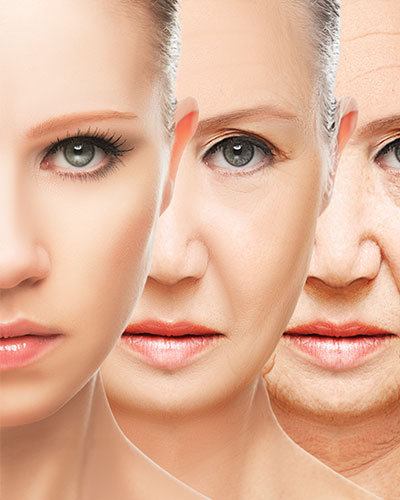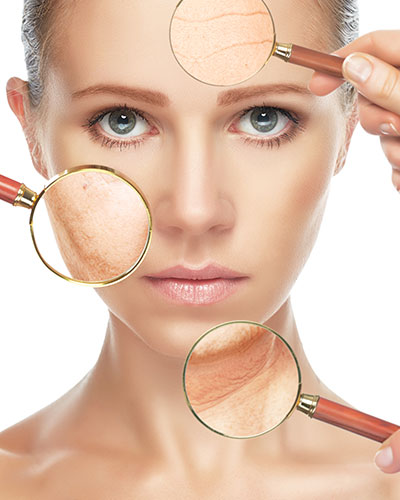
Aging skin
Explore →

Brown patches on the cheeks, lip and forehead that worsen with sun and hormones.
Cosmetic care needs no referral. Medical treatment needs a referral from your doctor or nurse practitioner.

Tired of wearing a mask? Melasma is a very common condition of brown discolouration on sun-exposed areas of the face, most often the cheeks, upper lip and forehead.
Melasma typically worsens with sun exposure, birth control pills and the hormones of pregnancy. It usually becomes more noticeable in the summer and improves during the winter months. Although it can affect both genders and any race, it is more common in women and in people with darker skin types.
Melasma is a common type of skin discolouration marked by brown patches on the face. It most commonly occurs in women between 20 and 50 years of age, women with naturally darker skin tones, and women who are pregnant. Men rarely experience this type of hyperpigmentation. Because it’s primarily experienced by women in their reproductive years, it gained the nickname “mask of pregnancy.”
Melasma is thought to affect more than six million women in North America alone. Most women with this skin discolouration have a history of regular sun exposure, are pregnant and/or have darker skin tones, such as Latin, Asian and Middle Eastern ethnicities. Melasma can also be exacerbated by heat, spicy foods, UV, alcohol, exercise and harsh skin products.
The chronic condition is caused by an overproduction of melanin, the pigment responsible for skin, hair and eye colour. It’s thought that 25 to 30% of people with melasma may have a genetic predisposition to the condition, with other family members also affected.
While it can often disappear or fade over time, in certain cases melasma becomes so severe it cannot be concealed by makeup, making people quite self-conscious of their appearance.
The exact cause of melasma is unknown, but uncontrolled exposure to sunlight is considered the leading factor, especially in people with a genetic predisposition to hyperpigmentation.
Melasma commonly develops during the summer months, when the strong ultraviolet rays from the sun trigger melanin production in the skin cells, and it typically fades and becomes less visible in the winter. In the true case of the “mask of pregnancy,” melasma is thought to be caused by increased levels of progesterone. In many cases, the hyperpigmentation gradually disappears after giving birth.
Melasma can be one of the most frustratingly difficult skin conditions to treat. However, with a combination of in-clinic treatments and a strict home care program, its appearance can be significantly reduced and, in some cases, cleared for a short period of time.
Laser procedures help reduce hyperpigmentation.
Fading creams help lighten and even out the tone and appearance of your skin.
Facial peels help lighten and even out the tone and appearance of your skin.
A daily routine that includes regular sun protection with broad-spectrum sunblock and vitamin C protectants decreases your skin’s exposure to the sun.
If you would like to have even-toned skin again, Dr. Rao can determine whether you are experiencing melasma and discuss possible treatments with you.
Medical assessment needs a referral. In Alberta, patients with medical skin problems must be referred by a licensed Canadian physician or nurse practitioner. See how referrals work. Live far from Edmonton? Ask your doctor about teledermatology.
Cosmetic treatment for melasma doesn’t need a referral.
Referral required. Ask your family doctor or nurse practitioner to send us a referral. Already referred? Call 780-437-7189 to book.
No referral needed. Book a cosmetic consultation at ActivMD Derm Spa, #304, 7609 109 Street NW, next door to our clinic.
We reply within one business day. Please don't include health details. For a medical concern, ask your doctor for a referral.