
How to reverse the signs of sun damage
How sun damage shows up on your skin, and the treatments that can help.
Read

Why skin dries out in an Edmonton winter, and how to protect it.
Published February 8, 2019
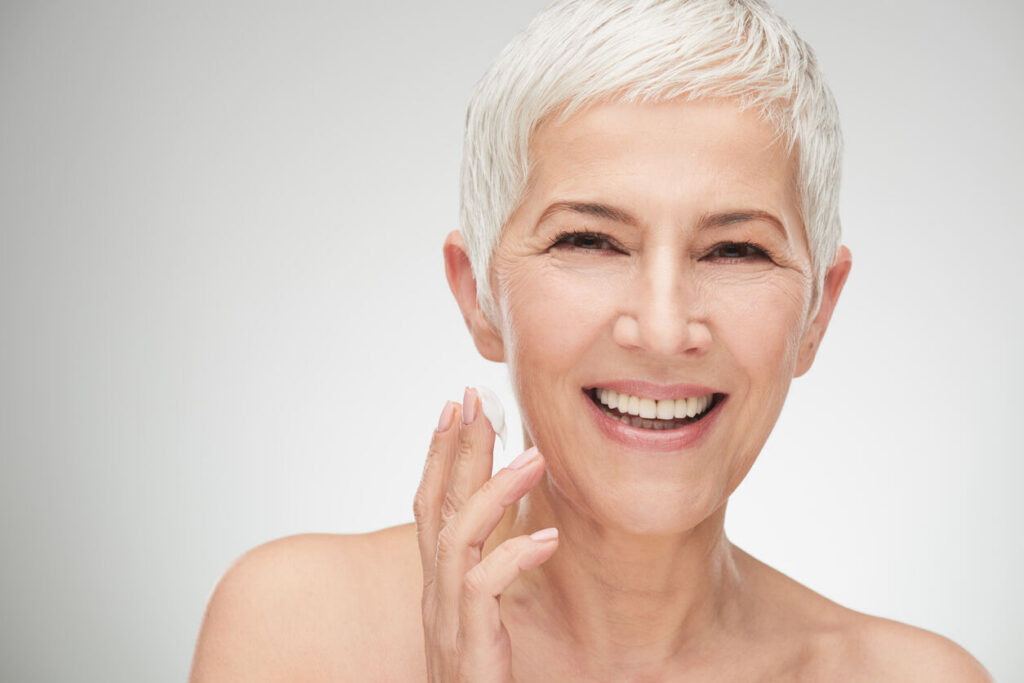
Winter in Edmonton means less sunlight, colder days, more snow and drier skin. Many people get dry skin in the winter, with flaking, itching and cracking that can be both painful and hard on your self-esteem.

If you have dry, sensitive skin, your lipid barrier is already in trouble. This barrier is a combination of natural oils and sweat, and it helps protect the underlying skin from cracking.
The lipid barrier minimizes water loss and is essential for strong, healthy, hydrated skin. It performs three important functions:
After the age of 40, the amount of lipids decreases significantly, which is why we are more prone to dry skin as we age.
Your skin type or a skin disease are not the only causes of skin tightness. The environment is also a big factor.
Dehydrated skin lacks water but can still produce sebum. It is short of the molecules that capture and hold water on the skin’s surface and inside the skin cells. Because the skin’s job is to protect us, it automatically makes up for this shortage by producing more sebum.
That is why dehydrated skin can show symptoms of dry skin (tightness, discomfort and so on) as well as symptoms of oily skin (shiny areas, pustules, blackheads and so on). Large pores and built-up dead cells can appear in certain areas.
Dry skin, also called “alipidic skin,” is skin that is missing oily compounds (lipids). The sebaceous glands of dry skin do not produce enough sebum, so water is no longer retained and evaporates, drying out the skin.
Because the follicles are not dilated, the pores look smaller. The skin appears rough and dull. This lack of glow comes from opaque dead cells that build up on the surface of the skin and do not reflect light. This dehydration also makes wrinkles more noticeable.
While Edmonton’s summer months are full of sunshine and low humidity, our winters can be tough on skin thanks to a combination of factors:
With our range of non-invasive medical facials, you can begin your journey to healthier, more youthful-looking skin with little to no downtime. Our custom-tailored facials are results-driven and can treat and prevent a variety of skin concerns, including dry skin.
Our chemical peels are advanced, non-surgical cosmetic SkinCeuticals treatments that can start your journey to healthier, more youthful-looking skin. Without downtime, these customized, medical-grade peels exfoliate and stimulate the skin to improve a variety of conditions, including hyperpigmentation, acne, fine lines and wrinkles, and many other concerns.
Turn back time with our diamond microdermabrasion procedure. This advanced facial treatment encourages the production of collagen and elastin, creating a firmer, more youthful facial contour. Your skin will feel and look smoother, more radiant and more even.
Microdermabrasion is most effective as a series of treatments, but even one treatment can make a huge difference in skin texture and appearance. It provides a full resurfacing effect, so your skin looks younger, softer and more luminous.
As with any professional cosmetic treatment, the first step should always be a full consultation with a qualified practitioner, to make sure you find the right treatment for your particular skin issues. Dr. Rao will take the time to address your specific needs and answer any questions or concerns you may have. He will also recommend the best treatment plan for achieving your desired results.
How sun damage shows up on your skin, and the treatments that can help.

Peels, microdermabrasion and fillers: three ways to slow the visible signs of aging.
Quick cosmetic treatments you can fit into a lunch break.
Cosmetic consultations need no referral. For medical dermatology, ask your doctor to send us a referral and we will call you to book.
We reply within one business day. Please don't include health details. For a medical concern, ask your doctor for a referral.