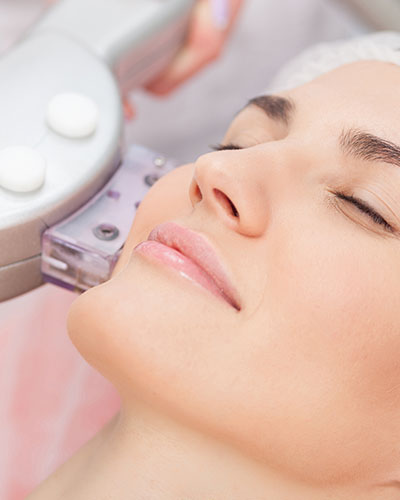
IPL photofacial
Explore →

A Q-switched Nd:YAG laser for tattoo removal over a series of visits.
No referral needed · at ActivMD Derm Spa, next door to our clinic
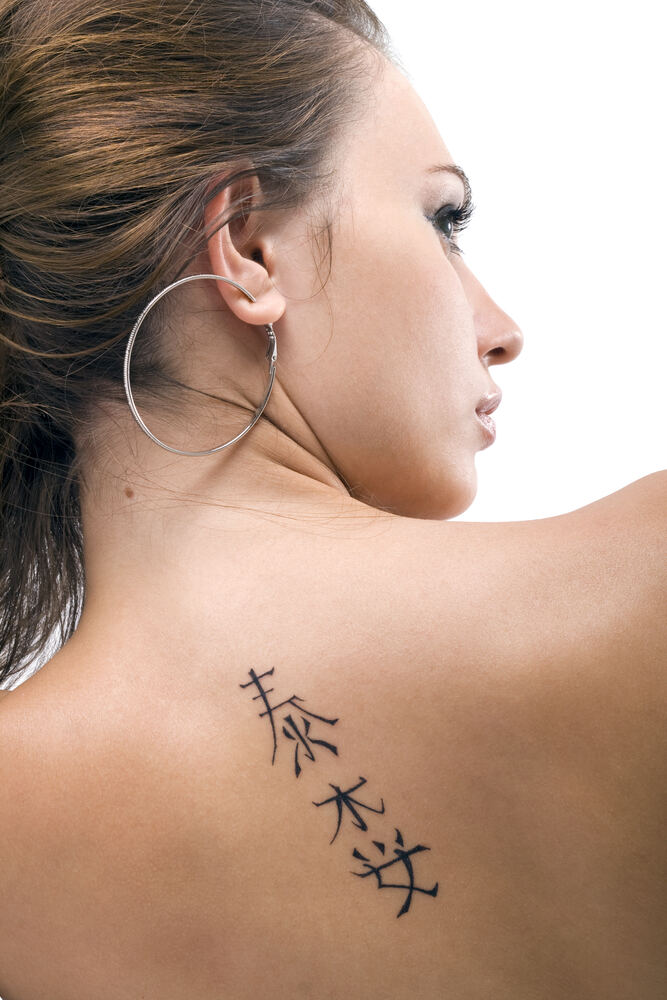
The Cynosure Affinity QS, a high-powered Q-switched Nd:YAG laser, is a tattoo removal laser.
Its dual-wavelength system covers a broad spectrum of tattoo colours, and over a series of visits, tattoos can now be removed safely and efficiently.
Tattoo trends come and go, but the tattoos themselves last forever. A once-loved tattoo can become an eyesore, and what seemed like a good idea at one point in your life can fall out of fashion and no longer suit you. Luckily, at Rao Dermatology, our Q-switch laser treatment is an effective way to remove tattoos.
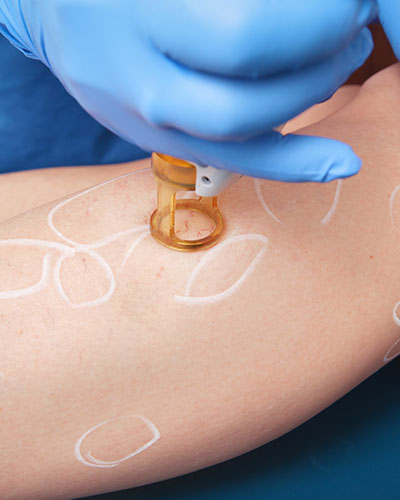
The Q-switched Nd:YAG laser is used mainly to remove brown spots, freckles and tattoos from the skin.
Tattoo ink can be difficult to shatter and remove. Q-switched lasers produce enough fluence (energy or power) to treat both dark and bright tattoos. Q-switched laser pulses last mere nanoseconds (billionths of a second), delivering high fluence for quality ink shattering.
A tattoo’s colour, depth and chemical composition all affect how it responds to laser light. Q-switched Nd:YAG laser tattoo removal works best on darker colours such as black, red, dark orange and dark blue. Lighter colours such as green, purple, brown, light orange and light blue can also be removed effectively, but may need more treatments.
The laser light selectively targets the unwanted ink or pigment while leaving other tissue largely unaffected, so most patients report only minor discomfort. Many people compare the sensation of the pulses entering the skin to the quick snap of a rubber band. If those snaps make you uncomfortable, we may offer a topical anesthetic, which we can discuss at your consultation.
Immediately after the procedure, the treated area may be sensitive and slightly swollen. Swelling may last a little longer, but cooling the skin with an ice pack can reduce it. After each treatment your skin may be red or feel sunburnt, and each patient’s experience of side effects varies.
The tattoo will fade over the next few weeks. There is little to no downtime: you should be able to return to work and resume your regular activities immediately after the procedure.
Depending on the size and location of the tattoo, a treatment typically takes about 10 to 30 minutes. Some tattoos fade completely after only one treatment, though most need four or more.
Treatments are usually spaced three weeks apart, to give your body enough time to fully eliminate the loosened particles of ink or pigment. The number of sessions and the time between them depend on several factors, such as the location of the tattoo, your skin type and colour, the types and colours of ink used, the depth of the ink in the skin, the age of the tattoo and your general health.
Your tattoo probably took a few sessions to get, and removing it is the same. Tattoo ink is layered into your skin, and each laser treatment shatters and dissolves layers of ink, which your body flushes away in the weeks after treatment.
Each time we treat, we cover the area as completely as possible and break up as much ink as possible. Tattoos that are less dense, or just shading, are quicker to remove than those with thick, dark lines.
Patients most commonly have some redness, swelling and minor blistering of the skin after tattoo removal treatment. Blistering is the most common side effect, but left alone to heal, the blisters usually heal quickly. Most side effects are temporary. We always explain detailed aftercare instructions to help you look after your skin after treatment.
If you think Q-switch laser treatment is for you, book a consultation with us.
No referral needed. Cosmetic consultations are at ActivMD Derm Spa.
#304, 7609 109 Street NW, next door to our clinic
We reply within one business day. Please don't include health details. For a medical concern, ask your doctor for a referral.